



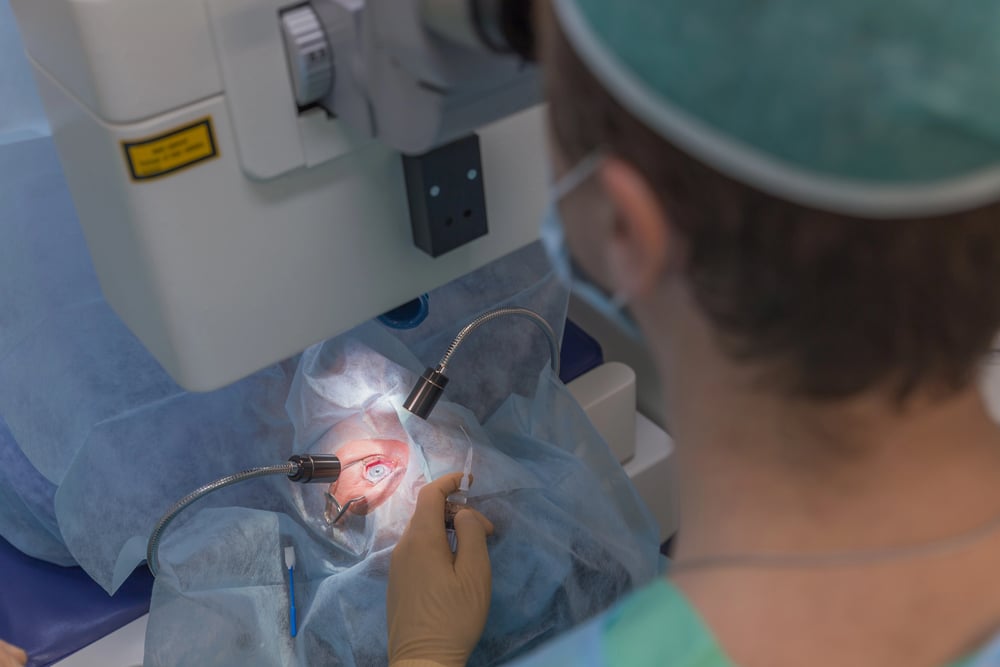
As we get older, our eyes can start to change in ways that make everyday life a little harder. One of the most common changes is cataracts. A cataract develops when the natural lens inside your eye—the part that helps focus light so you can see clearly—becomes cloudy over time. Think of it like looking through a foggy window. Things may look blurry, bright lights might bother you more than they used to, and activities like reading or driving can become frustrating.
The good news is that cataract surgery is one of the most effective ways to restore clear vision. During this procedure, an eye surgeon removes the cloudy lens and replaces it with a clear artificial one.
Eye care has come a long way, and new tools are making cataract surgery better than ever. Advanced options like laser-assisted surgery and specialized lenses can now be matched to your individual needs. This means more accurate results and a procedure that fits you—not a one-size-fits-all approach. While not every eye care center offers the same technology, learning about these options can help you make a confident decision. Whether you live in Reedsburg or somewhere nearby, understanding your choices is the first step toward a clearer vision.
How Technology Is Improving Cataract Care
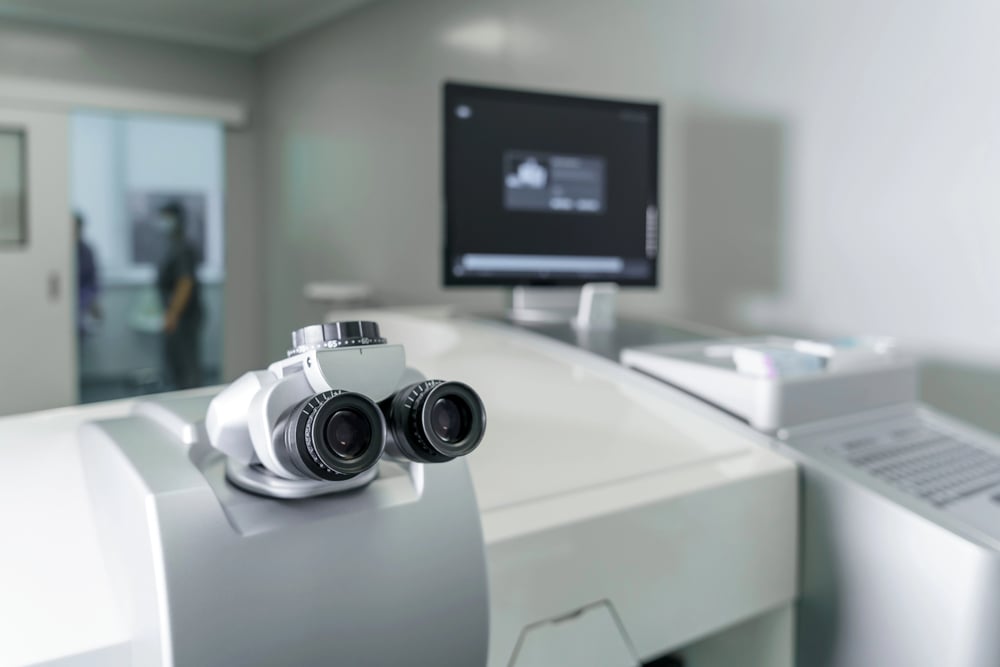
Across the country, eye doctors (called ophthalmologists) are using better imaging systems and surgical tools to perform cataract surgery with greater precision. Improved planning before the procedure also helps reduce the chance of complications, making the whole experience safer for patients.
Modern imaging technology lets doctors see both the surface and the inside of your eye in amazing detail. It’s a bit like having a detailed map before starting a road trip—you know exactly where you’re going before you begin. This helps surgeons plan more carefully and place your new lens in just the right spot, which leads to better vision after surgery.
Advancements in Intraocular Lenses (IOLs)
Choosing the right lens is one of the most important parts of cataract surgery. When your surgeon removes your cloudy natural lens, they replace it with an artificial lens called an intraocular lens, or IOL for short. The most common type is a monofocal IOL, which works well for seeing clearly at one distance—usually far away. Many people who choose this option still need reading glasses afterward.
Today, there are more advanced lens options available for people whose eyes are healthy enough to use them. These include:
- Lenses designed to help you see clearly across a wider range of distances
- IOLs that correct astigmatism, a common condition that causes blurry vision
- Options that improve close-up vision for things like reading or using your phone
Having more choices means you and your eye care team can have a real conversation about what fits your lifestyle best. Your ophthalmologist will guide you toward the lens that makes the most sense for how you live and what you want to see clearly.
What the Future of Laser Cataract Surgery May Look Like
Cataract care is becoming more personalized than ever, and that means results you can feel confident about. As technology continues to improve, patients will have even more options to choose from.
Some of the exciting developments on the horizon include:
- More accurate ways to determine the exact lens power you need
- Adjustable lenses, like the light-adjustable lens, that can be fine-tuned after surgery to help you see better at different distances—potentially reducing your need for glasses
- Better imaging tools that can show you what your vision might look like after surgery
- New techniques that help patients heal faster
Not everyone qualifies for these newer treatments just yet, but these advances show that cataract care is moving in a promising direction. In the near future, even more people may be able to achieve a vision that truly fits their needs.
Your Cataract Care Begins With Trustworthy Guidance
While new technology is exciting, the most important part of your cataract journey is having a doctor you can trust. At Reedsburg Area Medical Center, you’ll receive care that’s tailored specifically to you. RAMC Ophthalmologist Dr. Douglas Bull and his team takes the time to answer your questions and support you through every step of the process—from your first consultation to your follow-up visits as you heal.
Dr. Bull will use precise techniques to help you get the best possible vision. You’ll also receive clear instructions on how to use your eye drops and take care of yourself during recovery. Everything is designed to help you see clearly again.
If you’ve started noticing changes in your eyesight, it might be time to explore your options. The ophthalmology team at RAMC is ready to talk with you about which lens might be right for you, including multifocal options for those wanting to reduce their dependence on glasses.
Call the RAMC Ophthalmology Department at (608) 768-3900 to schedule an appointment with Dr. Bull. Take the next step toward better vision. You can trust us with your eye care.
References:
https://my.clevelandclinic.org/health/articles/25099-iols-intraocular
https://www.nceent.com/cataracts/advanced-technology-intraocular-lenses-atiol
https://www.aao.org/eye-health/tips-prevention/traditional-vs-laser-assisted-cataract-surgery
